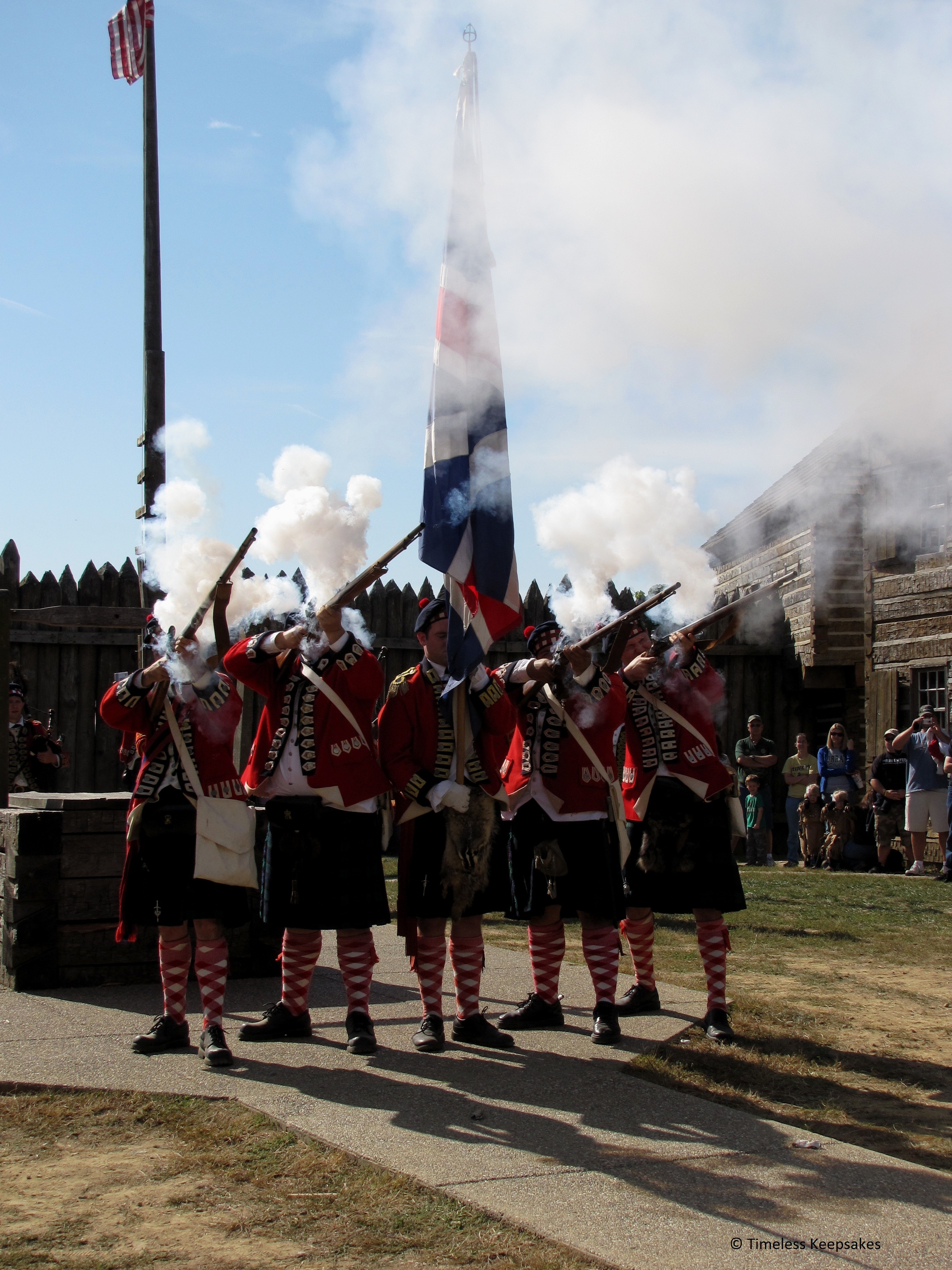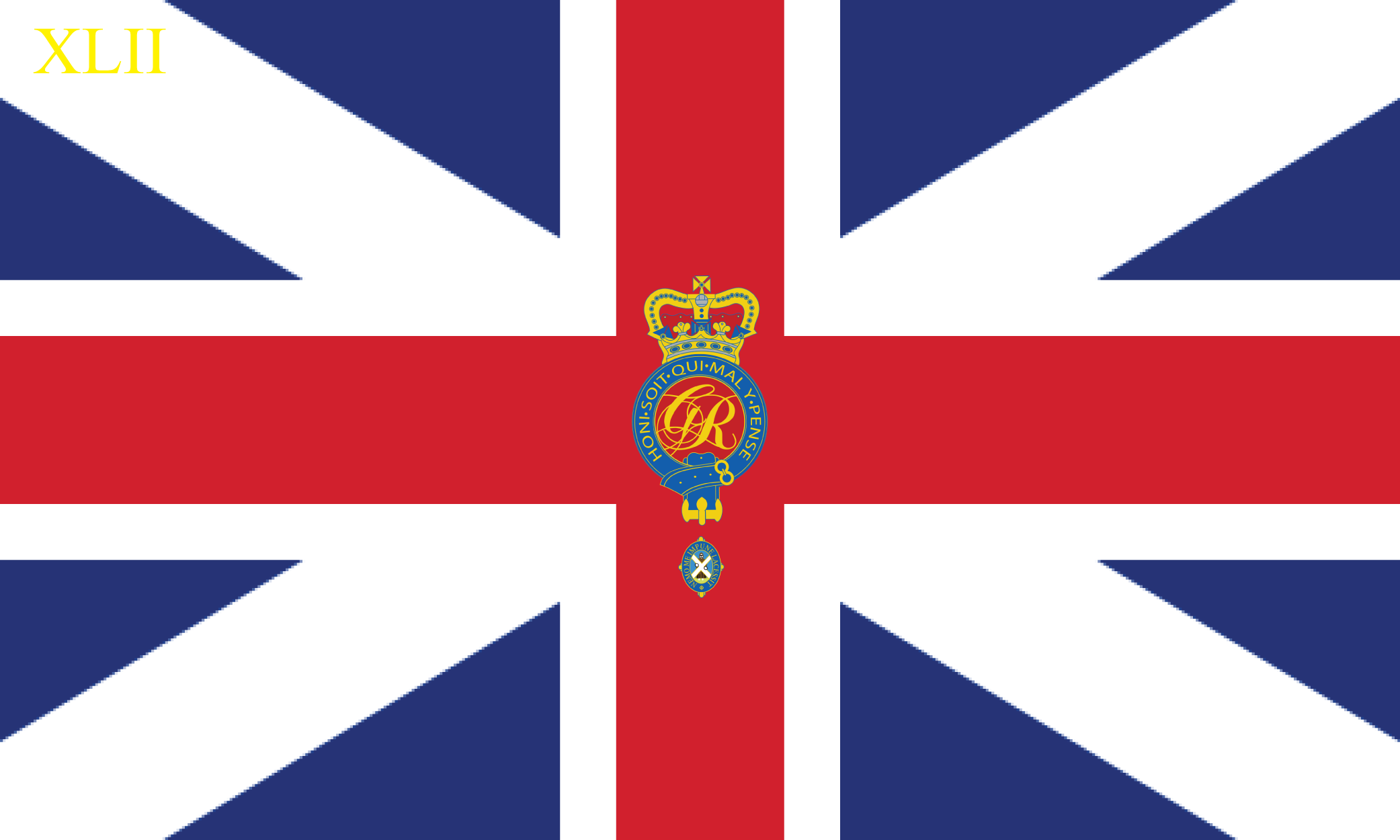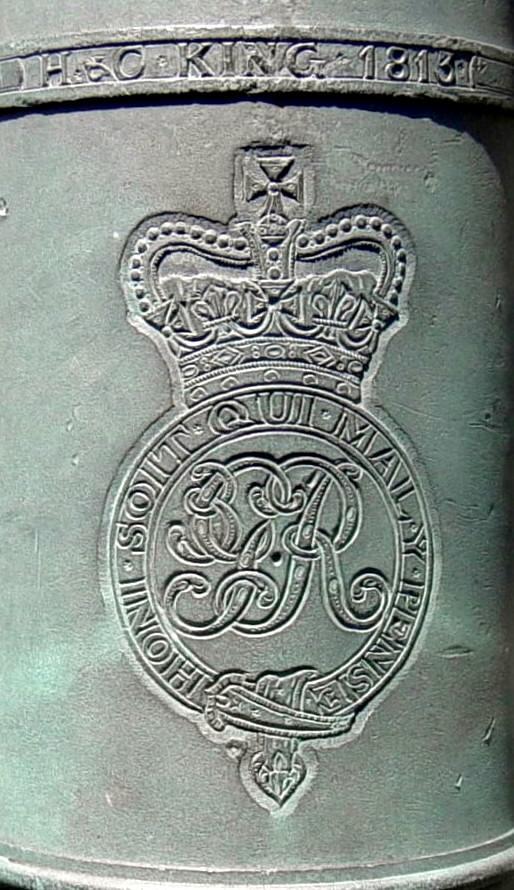
The ColoursIn the center of each colour is to be painted, or embroidered, in gold Roman characters, the number of the rank of the regiment, within the wreath of roses and thistles on the same stalk; except those regiments which are allowed to wear any royal devices, or ancient badges; on whose colours the rank of the regi ment is to be painted, or embroidered, towards the upper corner.The King's, or first colour of every regiment, is to be the Great Union thoughout. Near the end of the 1768 Royal Warrant is a section titled, Devices and Badges of the Royal Regiments and of the Six Old Corps. In this section is found:
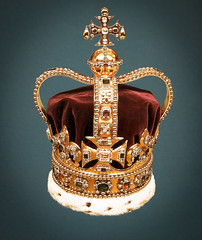
Elements of the regimental deviceThe CrownThe Image of the crown above the cypher and garter is known as "St Edward's Crown", and its image is used in coats of arms, badges, and various other insignia even to this day.
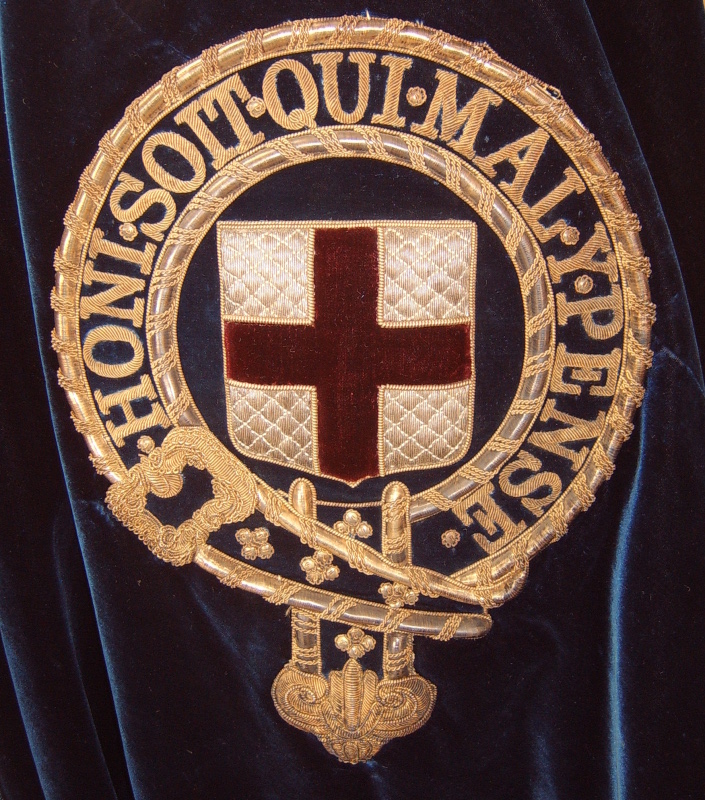
Dating back to St Edward the Confessor's coronation in 1065, the Crown was destroyed along with the rest of the Crown Jewels during the English Civil War, and recreated in 1661 for the cornonation of Charles II. The GarterThe garter referred to in the description of the badge for the 42nd is the garter of "The Most Noble Order of the Garter", an English order of chivalry.The origins of the order have roots in this anectdote: at a court ball, the Countess of Salisbury lost one of her garters. It is said that when bending down and picking it up - the lady blushing and those present laughing, King Edward tied the garter around his own leg and said, "Honi soit qui mal y pense, I shall turn it into the most honoured garter ever worn". 'Honi soit qui mal y pense' translates as 'Shame on whomever thinks this shameful.' This Order was founded in 1348 by King Edward III as a noble fraternity (or Chapter) consisting of the King, the Prince of Wales and 24 Knights Companion.
The conferment of the Order entails adoption into knighthood and, for the Knights Companion, the right to use the title "Sir" before their Christian names. Further, the holders of the Order are entitled to add the letters "K.G." or "L.G." after their surnames or title. The Garter itself is a dark blue velvet ribbon buckled and edged with gold, with the motto of the Order in gold letters and with gold embroidered roses edged with gold chains. It is worn by ladies around the left upper arm and by the Knights below the knee of the left leg. For further information on the Order of the Garter, visit Wikipedia - Order of the Garter.
St. AndrewThe description for the device of the regiment mentions "St. Andrew, with the motto 'Nemo me impune lacesset'". St. Andrew is significant due to his being the patron Saint of Scotland, the national flag of Scotland bearing his name, and a representation of his cross.
St Andrew is used today in badges of the Black Watch, affectionately dubbed "Wee Jimmy".
psmith@42ndRHR.org http://www.42ndRHR.org Last modified: April 12, 2021 Copyright © 2013 Preston M. Smith and the 42nd Royal Highlanders, Inc. All rights reserved.
|